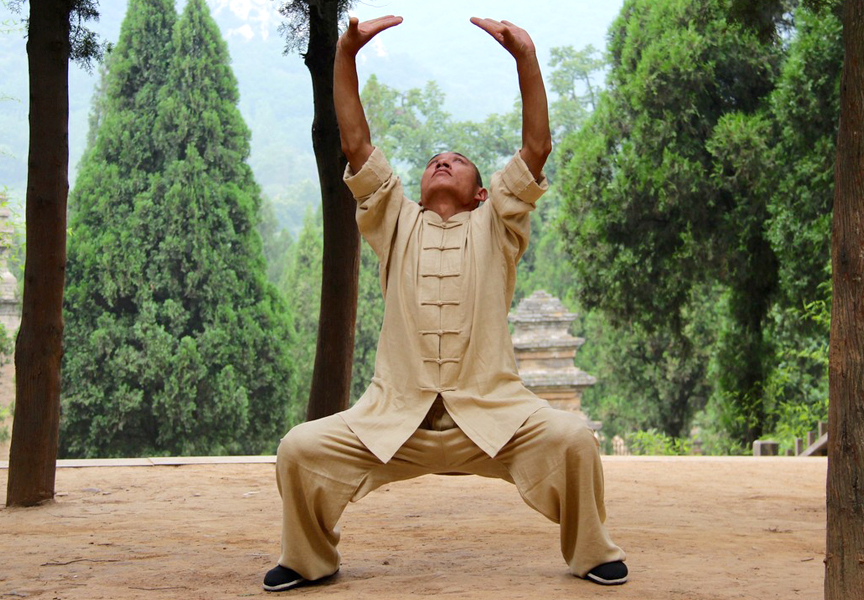
Silk reeling motion, often referred to as Chan Si Gong [Chin.: chánsī 缠丝功] or Chan Su Jin [Chin.: Chán sī gōng Chán Sī Jīn 纏絲劲] in Chinese martial arts, is a foundational practice that has been passed down through generations. This intricate and elegant movement is not just a physical exercise; it's a profound art that combines fluidity, power, and mindfulness. In this article, we will explore the essence of training silk reeling motion, its historical significance, and the benefits it offers to martial artists and enthusiasts.
The History of Silk Reeling Motion
The origins of silk reeling motion can be traced back to ancient China, where it was an integral part of various martial arts styles, particularly Shaolin Rou Quan and Taiji Quan. This graceful and dynamic technique was developed to teach practitioners the fundamental principles of internal martial arts, such as balance, coordination, and the application of circular force.
Silk reeling motion derives its name from the motion of unwinding silk from a cocoon. In this practice, the body moves in a spiral, reminiscent of a silkworm's graceful, continuous, and harmonious movements. These spiral motions are designed to cultivate internal strength, align the body, and enhance the flow of energy or Qi.
The Essence of Silk Reeling Motion
Silk reeling motion is more than just a series of choreographed movements. It is a holistic practice that encompasses physical, mental, and energetic aspects. Let's delve into its essential components:
Body Alignment: The practice of silk reeling emphasizes proper body alignment, which is crucial for maintaining balance and stability. By aligning the spine and joints, practitioners can maximize their power and efficiency while minimizing the risk of injury.
Mind-Body Connection: Silk reeling is a mindfulness practice. It encourages practitioners to be fully present and aware of their body's sensations, movements, and intentions. This deep mind-body connection enhances coordination and control.
Circular Movements: Circular movements are a key feature of silk reeling motion. The spiraling and coiling actions help cultivate a dynamic internal force, enabling martial artists to redirect and control their opponent's energy effectively.
Breathing Techniques: Correct breathing is an integral part of silk reeling. Deep and synchronized breaths help practitioners relax, oxygenate their muscles, and connect with their body's internal energy.
Gradual Progression: Silk reeling motion is a skill that develops over time. It requires patience and consistent practice to refine and internalize the movements.
Benefits of Silk Reeling Motion
Improved Health: Practicing silk reeling can enhance physical fitness, increase flexibility, and promote better posture. The gentle, flowing movements can also alleviate stress and tension.
Martial Arts Proficiency: Silk reeling is an essential foundation for internal martial arts. It provides a deep understanding of body mechanics, balance, and power generation, making martial artists more effective in their techniques.
Energy Cultivation: The practice of silk reeling helps enhance the flow of Qi, which is believed to be the vital life force in traditional Chinese medicine. This leads to increased vitality and resilience.
Grace and Fluidity: Practicing silk reeling imparts a sense of grace and fluidity to one's movements. This is not only aesthetically pleasing but also essential for efficient martial arts techniques.
Mindfulness and Meditation: The mindful and meditative aspects of silk reeling promote mental calmness, concentration, and self-awareness.
Conclusion
Silk reeling motion is a timeless art that offers a profound journey of self-discovery and self-mastery. It combines physical fitness, mental acuity, and the cultivation of internal energy. Whether you are a martial artist seeking to refine your skills or someone interested in enhancing your overall well-being, the practice of silk reeling motion can be a transformative and rewarding endeavor. By embracing the principles of discipline and grace, you can embark on a lifelong journey towards becoming a more balanced, powerful, and harmonious individual.
A Friendly Reminder: All content included on this site, such as text, graphics, logos, button icons, images, audio clips, and software, is the property of Hellenic Shaolin Cultural Center or its content suppliers and protected by US and International Copyright Laws. The compilation (meaning the collection, arrangement, and assembly) of all content on this site is the exclusive property of Hellenic Shaolin Cultural Center and protected by US and International Copyright Laws. Any use of the content on this site, including the reproduction, modification, distribution, transmission, reindex_usation, display, or performance, is strictly prohibited.
The Responsibility of Practicing Traditional Martial Arts In a world where trends come and go with the blink of an eye, traditional martial arts stand as bastions of timeless wisdom, discipline, and cultural heritage. Rooted in centuries of history and philosophy, these martial arts aren't merely physical disciplines but profound systems of self-improvement and ethical conduct. However, as the popularity of martial arts grows, so does the…
Not for Everyone, but Perfect for Some In the annals of martial arts history, few disciplines evoke the mystique and reverence quite like Shaolin Kung Fu. Rooted in centuries of tradition, Shaolin Kung Fu embodies not just physical prowess, but also spiritual growth, discipline, and a deep connection to the heritage of ancient China. It's a path that demands unwavering dedication, relentless practice, and a commitment that spans a…
In recent years, there has been an ongoing debate surrounding the association between martial arts and violence, particularly concerning children who practice combat sports. Concerned parents often express worry about their children potentially becoming more aggressive due to their involvement in activities like Κarate, Kung Fu, or taekwondo. However, it's crucial to debunk this misconception and understand the broader context in which…
Prioritizing Efficacy Over Profit In the realm of self-defense instruction, a troubling trend has emerged: the commodification of fear. Many self-proclaimed experts exploit individuals' anxieties about personal safety, offering elaborate courses and expensive equipment. While the demand for self-defense training is understandable, there is an ethical imperative to prioritize practical and effective techniques over profit. Instructors…
Harmony of Zen, Qi, and Combat Mastery In the heart of the Shaolin Temple's ancient traditions lies Chan Yuan Gong [Chin.: Shàolín chányuán gōng 少林禪圓功], a Qigong set that transcends the boundaries of physical exercise, meditation, and martial prowess. The name, translating to circular movements/exercises of Chan/Zen, encapsulates the essence of this practice that harmonizes the mind, purifies the spirit, and brings a…