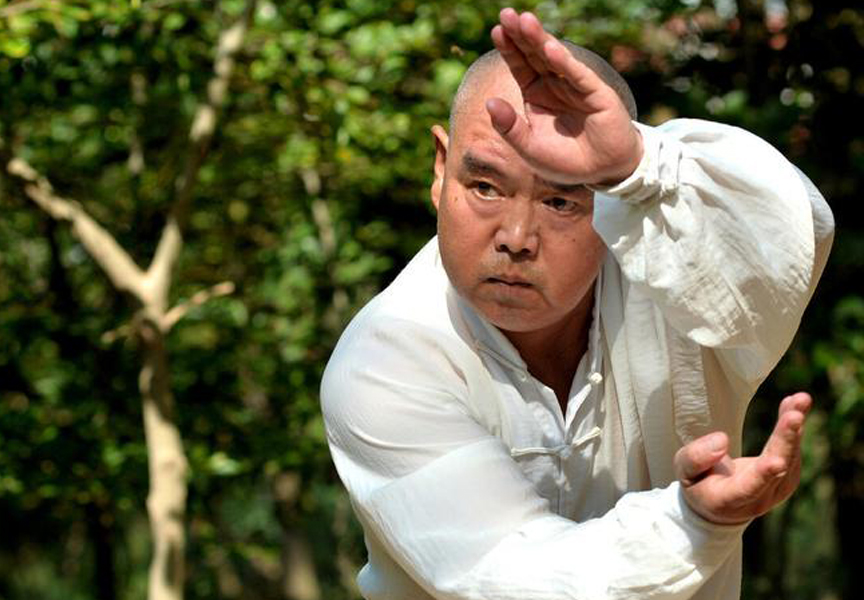
Zhan Zhuang [Chin.: zhàn zhuāng 站桩], often referred to as "standing like a post" or "standing stake" in English, is an ancient Chinese practice that has been gaining recognition and popularity in recent years for its numerous physical, mental, and spiritual benefits. This seemingly simple yet profound practice is a form of Qigong, a traditional Chinese system of exercises and breathing techniques designed to promote health and well-being. Zhan Zhuang is particularly renowned for its effectiveness in cultivating physical strength, mental clarity, and emotional balance. In this article, we will explore the practice and the many benefits associated with Zhan Zhuang.
The Basics of Zhan Zhuang
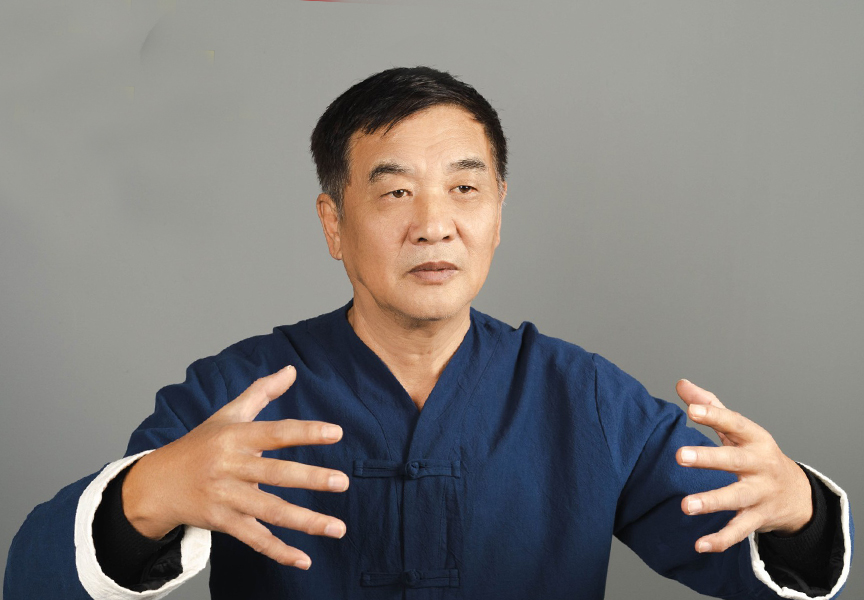
Zhan Zhuang is believed to have its roots in ancient China, with some sources tracing its origins back to Taoist and martial arts traditions. The practice involves standing in a stationary posture for extended periods, typically with minimal physical movement. The core principles of Zhan Zhuang include maintaining a relaxed yet upright posture, with the feet shoulder-width apart and the knees slightly bent. The arms are held in specific positions, and the hands and fingers are often shaped in various mudras or positions. Breathing is slow, deep, and mindful, coordinated with the posture to enhance the flow of vital energy, or Qi.
One of the fundamental aspects of Zhan Zhuang is the emphasis on maintaining a deep state of relaxation. By standing in the prescribed postures, practitioners gradually release physical and mental tension, allowing them to connect with their inner energy and experience a sense of calm and tranquility.
The Benefits of Zhan Zhuang
Improved Physical Health: Zhan Zhuang is renowned for its ability to strengthen the body. The sustained static postures engage and condition the muscles, improve posture, and enhance overall physical stability. Regular practice can also contribute to better balance, which is particularly beneficial for the elderly or those recovering from injuries.
Enhanced Mental Clarity: The deep focus and relaxed concentration required during Zhan Zhuang help clear the mind of distractions. This enhanced mental clarity can improve memory, cognitive function, and problem-solving skills.
Emotional Balance: Many practitioners find that Zhan Zhuang helps regulate their emotions. By fostering a state of calm and relaxation, it can reduce stress, anxiety, and depression. It offers an opportunity to cultivate emotional resilience and cope with life's challenges more effectively.
Boosted Energy Levels: Zhan Zhuang is said to increase one's energy levels by promoting the flow of Qi through the body's energy channels. This surge in energy can lead to increased vitality, alertness, and a greater sense of well-being.
Spiritual Growth: Zhan Zhuang is deeply connected to various cultural and martial arts traditions, and some practitioners experience a heightened sense of spiritual awareness. It is not uncommon for individuals to feel a greater connection to nature and a heightened sense of purpose in their lives through consistent practice.
Enhanced Breathing and Respiratory Function: The coordinated deep breathing in Zhan Zhuang exercises can improve lung capacity and enhance overall respiratory function. This is especially beneficial for individuals with respiratory issues like asthma.
Pain Relief: Many people report reduced chronic pain, particularly in the back, neck, and joints, after practicing Zhan Zhuang regularly. The improved posture and relaxation achieved through the practice can alleviate discomfort.
Increased Body Awareness: Zhan Zhuang fosters a heightened awareness of the body and its subtle sensations. This self-awareness can help individuals identify and address health issues more effectively.
Getting Started with Zhan Zhuang
To begin practicing Zhan Zhuang, it is advisable to find a qualified instructor who can guide you through the postures and breathing techniques. Learning the proper alignment and maintaining a relaxed state are crucial for experiencing the full benefits of this practice. Additionally, as with any exercise routine, it is recommended to consult with a healthcare professional before starting if you have any preexisting health conditions.
Consistency is key when it comes to Zhan Zhuang. Practitioners often start with short durations, perhaps just a few minutes, and gradually increase the time as their body and endurance allow. Over time, many individuals find it beneficial to practice Zhan Zhuang daily, but it can also be done on an as-needed basis to address specific physical or emotional concerns.
In conclusion, Zhan Zhuang is a remarkable practice with a rich history and a wide range of physical, mental, and spiritual benefits. As individuals increasingly seek holistic approaches to health and well-being, Zhan Zhuang's simplicity and profound effects make it an attractive option. So, whether you are looking to enhance your physical fitness, reduce stress, or explore your inner self, consider giving Zhan Zhuang a try and experience the transformative power of "standing like a post."
A Friendly Reminder: All content included on this site, such as text, graphics, logos, button icons, images, audio clips, and software, is the property of Hellenic Shaolin Cultural Center or its content suppliers and protected by US and International Copyright Laws. The compilation (meaning the collection, arrangement, and assembly) of all content on this site is the exclusive property of Hellenic Shaolin Cultural Center and protected by US and International Copyright Laws. Any use of the content on this site, including the reproduction, modification, distribution, transmission, reindex_usation, display, or performance, is strictly prohibited.
The Lost Art of Shaolin Monks In the annals of martial arts history, few names evoke as much reverence and fascination as Shaolin Kung Fu. Nestled amidst the mist-shrouded peaks of China, the Shaolin Monastery has long been revered as the cradle of martial arts mastery and spiritual enlightenment. Within its hallowed walls, generations of monks honed their bodies and minds, cultivating skills that transcended mere combat prowess. Among the…
Shaolin Kung Fu, with its roots in ancient Chinese martial arts, is renowned for its diverse techniques and holistic approach to physical and mental well-being. At the heart of Shaolin training lies the Horse Stance, known as Mabu - [Chin.: mǎ bù 马步] in Chinese. This fundamental stance serves as the cornerstone of many martial arts disciplines, providing practitioners with a solid foundation for strength, balance, and internal energy…
The art of combat has been a part of human history for as long as we can remember. Whether in organized competitions or unstructured altercations, the dynamics of fighting have always fascinated us. However, it is crucial to understand that fighting in a ring is not the same as fighting in the streets. While both involve physical combat, the two settings have distinct differences that significantly affect the outcomes, consequences, and the…
A Holistic Approach to Health and Well-Being The concept of Qi, often pronounced as "chi," is a fundamental principle in traditional Chinese medicine (TCM) and various Asian cultures. Qi represents the vital life force or energy that flows through the human body and the universe, influencing our physical, mental, and spiritual well-being. According to TCM, maintaining a harmonious flow of Qi is essential for good health. Regulating…
In Chan, there are two specific teachings that even if taken literally , they are well defined and very expressive . One teaches that " The Thorough Examination of the Super - Ego is simply to identify the Buddha Nature " and the other teaches that " The Understanding of Buddha Nature via Sudden Enlightenment is certainly possible. " In reality, however , the clarity and expressiveness of these teachings , cannot be…