A Journey of Mind and Body

FREE ARTICLE. ONLY FOR READING PURPOSES
Copyediting: Information and Relations Office "EPOS"

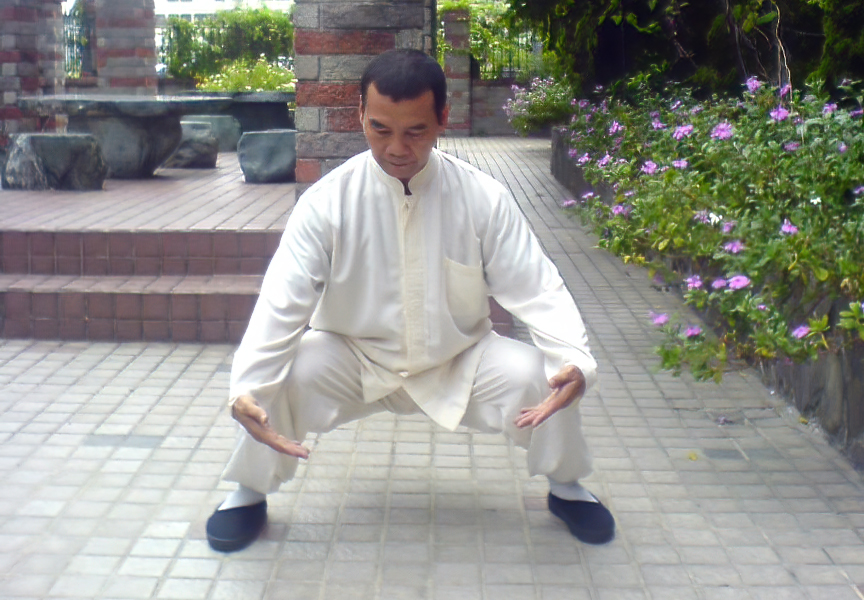
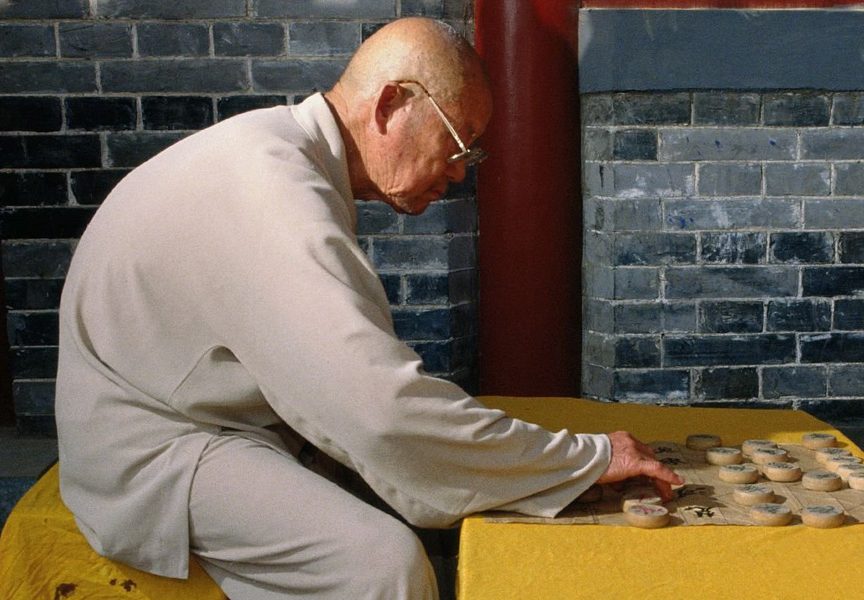
Martial arts have a rich and storied history, with roots that stretch across cultures and centuries. From ancient practices like Kung Fu and Karate to modern disciplines like Brazilian Jiu-Jitsu and Muay Thai, martial arts encompass a wide range of techniques and philosophies. While many practitioners focus on the physical aspects of martial arts, such as strikes, kicks, and grappling, it's essential to recognize that the most important aspect of martial arts goes beyond mere physicality.

The Mind-Body Connection

At its core, martial arts is a holistic practice that emphasizes the mind-body connection. This connection is, without a doubt, the most crucial aspect of martial arts. It's not just about mastering techniques; it's about mastering yourself. Here are some key elements that highlight the importance of the mind-body connection in martial arts:

1. Discipline and Self-Control: Martial arts instills discipline and self-control in its practitioners. Through rigorous training, individuals learn to control their impulses and emotions, both on and off the mats. This self-control is vital for success in martial arts, as it allows practitioners to remain calm under pressure and make rational decisions during sparring or self-defense situations.

2. Focus and Concentration: Martial arts require intense focus and concentration. Whether you're performing intricate forms or sparring with an opponent, your mind must be fully engaged in the present moment. This heightened awareness not only improves your martial skills but also carries over into other aspects of your life, enhancing your overall productivity and mental clarity.

3. Confidence and Self-Esteem: As martial artists progress in their training, they gain confidence in their abilities. This confidence doesn't stem solely from physical prowess but also from the mental fortitude developed through training. Knowing that you can overcome challenges in the dojo gives you the self-assurance to face challenges outside of it.

4. Stress Relief and Mental Well-being: Martial arts serve as an excellent stress reliever. The physical exertion and mental focus required during training help individuals release pent-up tension and reduce stress levels. Additionally, the sense of accomplishment derived from mastering techniques or earning belts can boost mental well-being and self-esteem.

5. Conflict Resolution: Contrary to the stereotype of martial artists being aggressive or confrontational, many martial arts place a strong emphasis on conflict resolution and non-violence. Practitioners learn to avoid conflicts whenever possible and use their skills only in self-defense or to protect others.

Conclusion

While physical techniques and combat skills are undoubtedly essential components of martial arts, they are not the most critical aspect. The true essence of martial arts lies in the mind-body connection and the personal growth it fosters. The discipline, self-control, focus, confidence, stress relief, and conflict resolution skills developed through martial arts training extend far beyond the dojo walls and into everyday life.

In the journey of martial arts, the most important aspect is not just about what you can do with your body, but what you can achieve with your mind. It's about becoming a better, more balanced, and more compassionate individual. So, whether you're a seasoned martial artist or someone considering taking up the practice, remember that the path of martial arts is not just a physical one—it's a profound journey of self-discovery and personal development.


A Friendly Reminder: All content included on this site, such as text, graphics, logos, button icons, images, audio clips, and software, is the property of Hellenic Shaolin Cultural Center or its content suppliers and protected by US and International Copyright Laws. The compilation (meaning the collection, arrangement, and assembly) of all content on this site is the exclusive property of Hellenic Shaolin Cultural Center and protected by US and International Copyright Laws. Any use of the content on this site, including the reproduction, modification, distribution, transmission, reindex_usation, display, or performance, is strictly prohibited.


Random Free Articles

  • The Martial Art Dilemma: Quality Over Quantity
    Το δίλημμα: Ποιότητα έναντι ποσότητας

    In the world of martial arts, there is often an emphasis on the number of techniques one can learn or the belts one can earn. Many martial arts schools and practitioners focus on quantity, striving to accumulate as many techniques or belts as possible. However, in this pursuit, the importance of quality can often be overlooked. In this article, we will explore why it is crucial to prioritize quality over quantity in martial arts. The Allure of…

  • Τhe Εssence of Τayao

    Η Ουσία του Τα Γιάο

    Ta Yao [Chin.: Tā yāo 塌腰], or sinking the waist, is a fundamental principle in Shaolin Rou Quan, which involves lowering the center of gravity and maintaining a flexible and rooted posture. This concept is not unique to Shaolin Rou Quan but is also essential in many other martial arts and sports. It involves dropping the waist and engaging the core muscles, creating a stable base for movement. It is this stability that provides Shaolin…

  • "Shifu" in Chinese Martial Arts

    Η έννοια του

    In the realm of Chinese martial arts, the title Shifu [Κιν.: Shīfu 师父] holds a special place of honor and respect. This term, deeply rooted in Chinese culture, transcends its simple translation of Master and carries a profound significance that extends beyond the martial arts school. To truly understand the meaning of Shifu in Chinese martial arts, one must delve into its historical and cultural context. Historical Significance The…

  • Sport Should Advocate Noble Competition
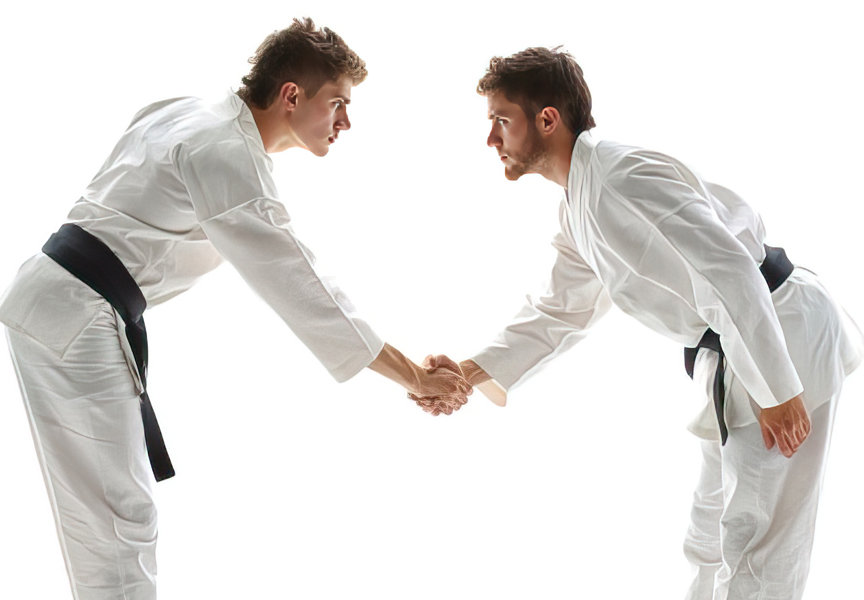
    Ο αθλητισμός υποστηρίζει τον ευγενή ανταγωνισμό

    No To Violent Instincts and Discrimination Sport has always been a mirror reflecting human society, embodying ideals of teamwork, dedication, and the pursuit of excellence. However, in the heat of competition, it can also magnify humanity’s darker impulses, including violence, aggression, and even discrimination. In this context, it's crucial to emphasize that the true spirit of sport lies not in brute force or exclusion, but in noble…

  • Sword Fingers of Taijiquan

    Δάκτυλα Ξίφος στο Τάι Τζι Τσουάν

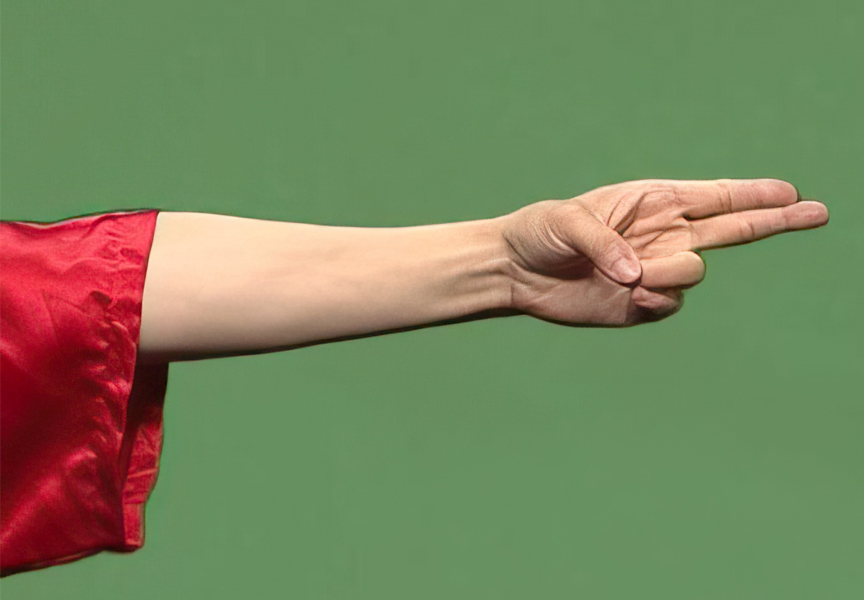
    The Symbolism and Application of Two Fingers Pointing in Taijiquan Sword Taijiquan, often referred to as Tai Chi, is a Chinese martial art known for its slow, flowing movements and emphasis on internal energy cultivation. Within the vast realm of Taijiquan, there exists a unique and symbolic gesture – the use of two fingers pointing – particularly in the context of the Taijiquan sword, known as Sword Fingers [Chin.: Jiàn zhǐ 剑指].…