The concept of Qi, often pronounced as "chi," is a fundamental principle in traditional Chinese medicine (TCM) and various Asian cultures. Qi represents the vital life force or energy that flows through the human body and the universe, influencing our physical, mental, and spiritual well-being. According to TCM, maintaining a harmonious flow of Qi is essential for good health. Regulating and balancing Qi is a central focus of TCM and other holistic healing systems, and it plays a crucial role in achieving overall well-being.
Understanding Qi
In TCM, Qi is believed to be the life force that animates our bodies. It is the energy that flows through a network of meridians, or energy pathways, which connect various organs and tissues. This intricate system of meridians ensures that Qi reaches every part of the body, nourishing and sustaining it. When Qi is in balance and flows freely, a person experiences good health and vitality. However, disruptions or imbalances in the flow of Qi can lead to various health issues.
Ways to Regulate and Balance Qi
Acupuncture: Acupuncture is one of the most well-known TCM practices used to regulate Qi. Fine needles are inserted at specific points along the body's meridians to stimulate or unblock the flow of Qi. This can help alleviate various physical and emotional conditions, such as pain, stress, and insomnia.
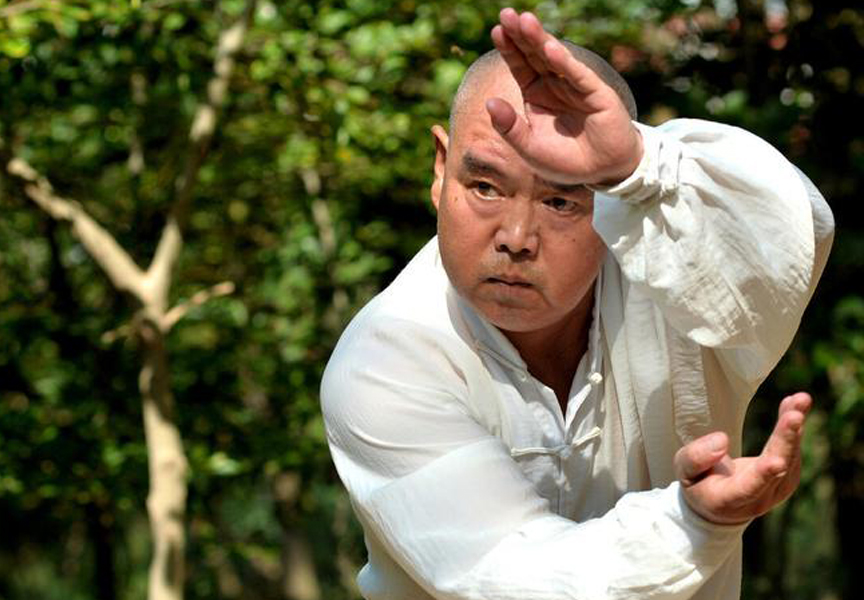
Qi Gong: Qi Gong is a mind-body practice that combines gentle movements, deep breathing, and meditation to cultivate and balance Qi. Regular practice of Qi Gong can help enhance the flow of energy and promote overall health and well-being.
Chinese Herbal Medicine: Herbal remedies are often prescribed in TCM to address specific imbalances in Qi. Different herbs are chosen for their ability to nourish, clear, or regulate the flow of energy. Herbal formulas are tailored to an individual's unique constitution and health condition.
Dietary Choices: Nutrition is an essential component of balancing Qi. TCM emphasizes the importance of eating foods that align with your body's constitution and the season. Eating in harmony with the natural rhythms of the body and environment helps maintain Qi balance.
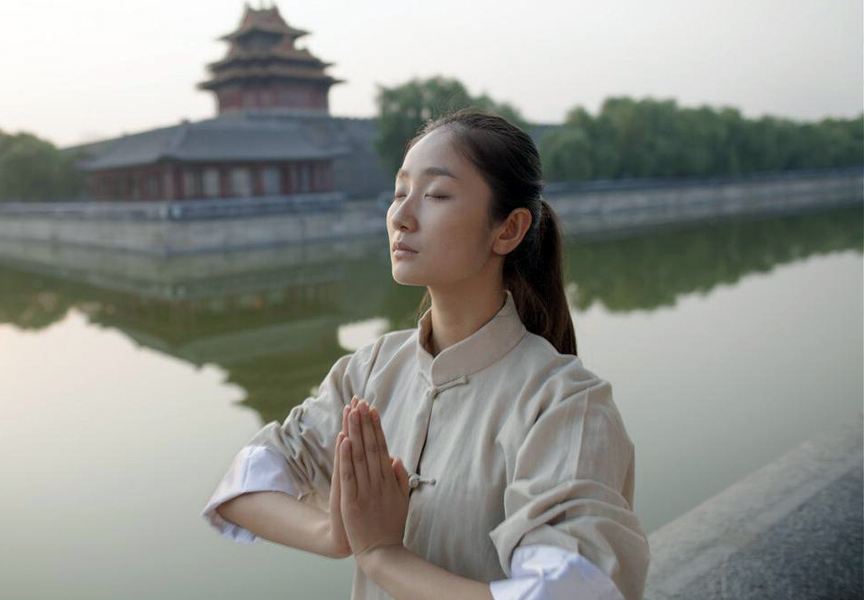
Meditation and Mindfulness: Cultivating mental and emotional balance is crucial for regulating Qi. Practices such as meditation and mindfulness can help reduce stress and promote emotional equilibrium, thereby positively affecting the flow of energy in the body.
Taiji Quan: Similar to Qi Gong, Taiji Quan is a martial art that focuses on the movement of Qi through the body. Its slow, flowing movements help improve balance, flexibility, and the flow of energy.
Balancing Emotions: According to TCM, emotions are closely tied to the flow of Qi. Emotional imbalances can disrupt the energy flow and lead to physical health issues. Learning to manage and balance emotions is an integral part of Qi regulation.
The Holistic Approach
Regulating and balancing Qi is a holistic approach to health that considers the interconnectedness of the body, mind, and spirit. It acknowledges that physical health is deeply intertwined with emotional and mental well-being. TCM views health as a dynamic state of equilibrium, and when Qi flows smoothly, one experiences vitality and vitality.
It's important to note that TCM and other traditional systems of medicine consider individualized treatment. What works for one person may not be suitable for another, as each person's constitution and imbalances are unique. Therefore, consulting with a trained and experienced practitioner is essential when seeking to regulate and balance Qi.
In Conclusion
The concept of regulating and balancing Qi has been central to traditional Chinese medicine for thousands of years. While it may seem abstract to those unfamiliar with TCM, the idea of energy flow and balance has gained recognition and acceptance in Western alternative and complementary medicine.
Whether through acupuncture, Qi Gong, herbal remedies, dietary adjustments, meditation, or other practices, the goal of balancing Qi is to maintain and restore harmony within the body. By focusing on the interconnectedness of the physical, emotional, and mental aspects of health, these practices offer a holistic approach to well-being that continues to resonate with individuals seeking a more balanced and healthy life.
A Friendly Reminder: All content included on this site, such as text, graphics, logos, button icons, images, audio clips, and software, is the property of Hellenic Shaolin Cultural Center or its content suppliers and protected by US and International Copyright Laws. The compilation (meaning the collection, arrangement, and assembly) of all content on this site is the exclusive property of Hellenic Shaolin Cultural Center and protected by US and International Copyright Laws. Any use of the content on this site, including the reproduction, modification, distribution, transmission, reindex_usation, display, or performance, is strictly prohibited.
Embracing Martial Arts as a Path of Personal Growth In this sacred space of learning and discipline, I declare my commitment to the essence of true martial arts education. I am not a coach but a teacher, fostering the development of students, not athletes. This is not a sport; it is an art, a philosophy, and a way of life. I Have Students, Not Athletes: My purpose is to guide individuals on a journey of self-discovery and self-mastery. The…
A Systematic Approach to Mastery Martial arts, with their rich history and deep philosophical underpinnings, offer a path to self-discovery, physical mastery, and spiritual growth. Among the myriad martial arts disciplines, Shaolin Rouquan [Chin.: Shàolín róu quán 少林柔拳] stands out as an ancient and revered tradition that blends physical prowess with profound philosophical insights. However, achieving mastery in Shaolin Rouquan is…
In the fast-paced and modern world we live in today, the pursuit of traditional martial arts and the path of the mind has become an increasingly challenging endeavor. As technology advances and lifestyles evolve, the traditional ways of following a martial arts master and embracing the path of the mind often seem out of sync with the demands of contemporary life. However, for those who embark on this journey, the rewards are profound, offering…
The Energetic Center of Vitality and Balance In the realm of traditional Chinese medicine and martial arts, the concept of the "Dantien" [Chin.: dāntián 丹田] stands as a fundamental and integral part of understanding the body's energy system. Pronounced "dan-tee-en," this term refers to energy centers within the body that play a pivotal role in the cultivation and management of vital energy, or Qi (also spelled…
A Gateway to Mastering Shaolin Kung Fu In the ancient practice of Shaolin Kung Fu, a martial art renowned for its deep philosophical roots and powerful physical techniques, there is a fundamental principle that echoes through the centuries: the mind must be empty if one seeks to truly learn and master this art form. This concept is not merely a poetic expression, but a practical and profound aspect of Shaolin philosophy that has stood the test…