
Random Free Articles
- Every Competitor A Champion in Their Own Right
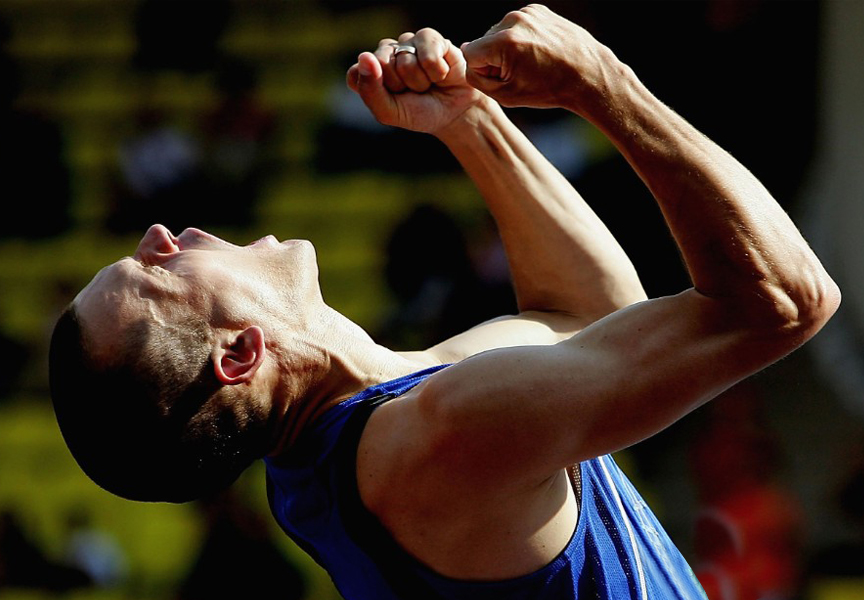
In the world of sports, competitions, and life in general, we often focus on the victors, the ones who stand atop the podium, wearing the gold, silver, and bronze medals. But let us not forget that a champion is not defined solely by their position – a champion is anyone who consistently gives their best every time they step onto the field, court, or any competitive arena. It's not just about finishing first, second, or third; it's…
- What I Gained from Rou Quan Quan Practice
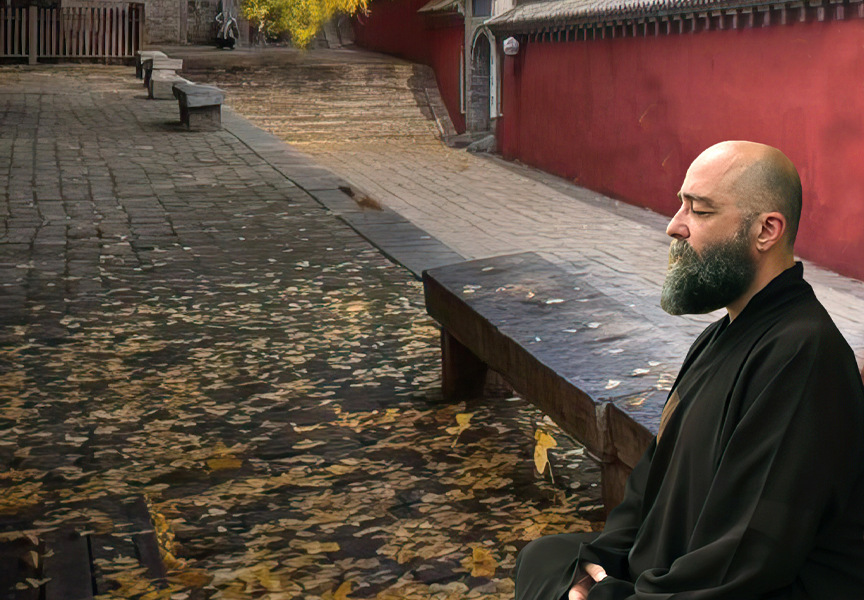
After more than 40 years of practicing Shaolin Rou Quan, I feel both a deep need and a sense of obligation to share my personal point of view, my understandings, and, above all, my own experience with this remarkable art. Shaolin Rou Quan, often misunderstood or undervalued compared to other martial arts, holds profound benefits that go far beyond self-defense. It is a discipline that fosters balance, inner peace, and strength in ways that are…
- Taolu. The Artistry of Forms
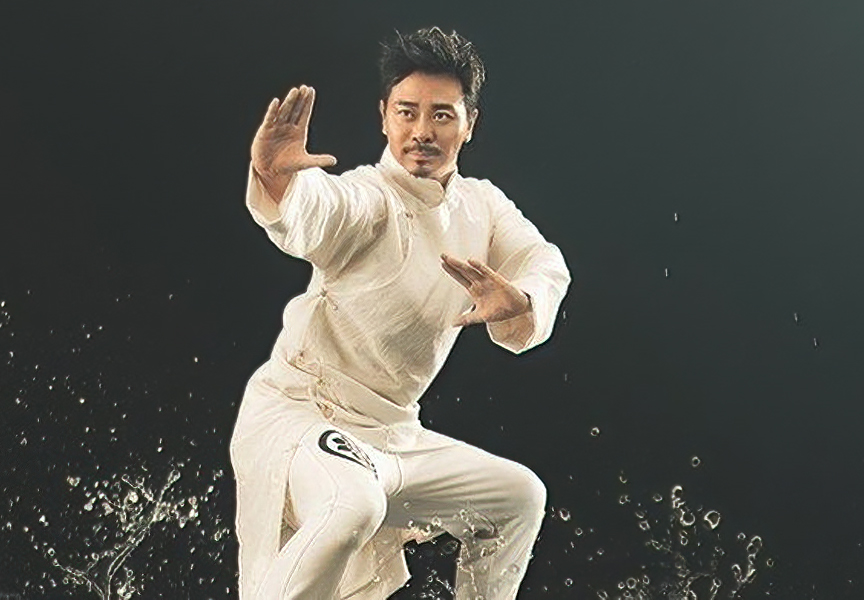
Martial arts, deeply rooted in ancient traditions and philosophies, embody a rich tapestry of physical prowess, mental discipline, and cultural significance. One of the distinctive elements in Chinese martial arts is the practice of "taolu" [Chin.: tàolù 套路], commonly known as forms. Taolu is not merely a choreographed sequence of movements; it is a dynamic expression of a martial artist's skill, showcasing a harmonious…
- True Essence of Martial Arts

A Journey of Inner Cultivation In a world that often associates martial arts with physical prowess and the development of a sculpted body, it is time to shift our perspective and recognize martial arts as a form of art that transcends the boundaries of mere physicality. Beyond the kicks, punches, and acrobatics, martial arts demand a deeper commitment to inner cultivation, fostering a harmonious connection between the mind, body, and spirit.…
- Sparring vs. Survival Instinct

Combat training and physical response Martial arts, an age-old discipline, is not just about learning how to fight; it is about building character, discipline, and understanding the fine balance between aggression and defense. Central to this training are two crucial components: sparring and the development of a survival instinct. While both are indispensable, their utility varies based on the context and the goals of the practitioner. This…