武术。 追求,而非时尚
Martial Arts. Pursuit, Not a Fad

FREE ARTICLE. ONLY FOR READING PURPOSES
Copyediting: Information and Relations Office "EPOS"

Πολεμικές τέχνες. Επιδίωξη, Όχι Μόδα


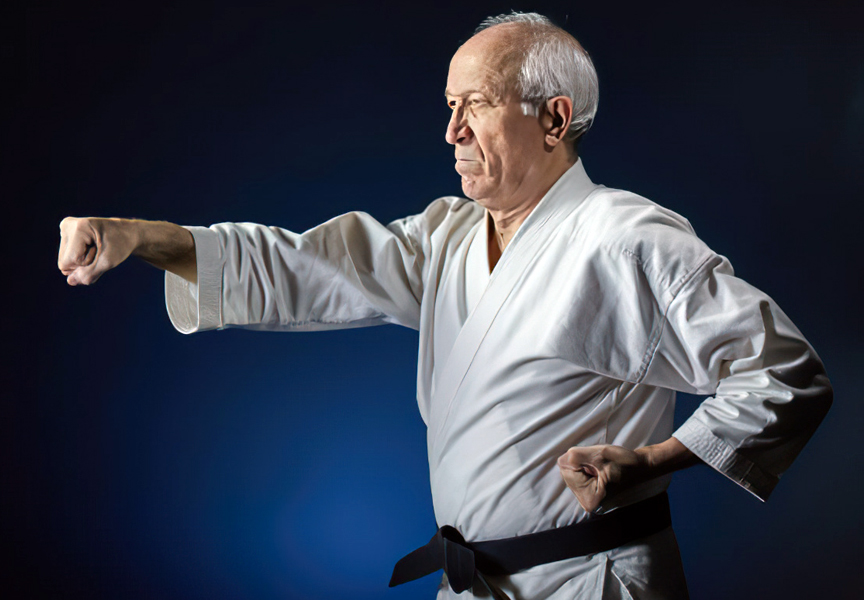
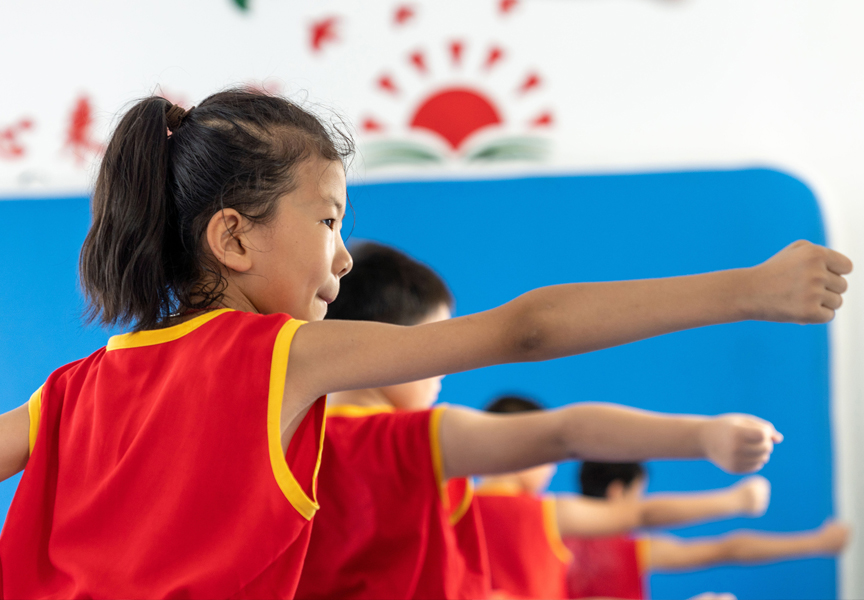
In a world where trends and fads come and go like fleeting seasons, martial arts stands as a testament to enduring tradition, discipline, and profound physical and mental development. While some might perceive martial arts as a passing craze or a mere form of entertainment, its roots run deep, and its relevance transcends time. In this article, we will explore why martial arts is not a fad, but rather an enduring practice that has stood the test of time.

A Rich History

Martial arts can trace its origins back thousands of years to various cultures across the globe. From the ancient Chinese art of Kung Fu to the Japanese discipline of Judo and the Brazilian Jiu-Jitsu, martial arts have evolved and adapted through centuries. These practices were not born out of fleeting trends but were developed for self-defense, combat, and personal growth. They are deeply embedded in the cultures and histories of their respective regions.

Discipline and Self-Improvement

One of the primary reasons martial arts have endured for centuries is the profound emphasis on discipline and self-improvement. Martial arts is not merely a physical endeavor; it's a mental and spiritual journey as well. Practitioners learn to master their bodies and minds, instilling values like respect, perseverance, and humility. The process of becoming a martial artist is a lifelong commitment to self-improvement, which transcends any fleeting fad.

Physical Fitness

In an era where sedentary lifestyles and technological distractions are prevalent, the importance of physical fitness cannot be overstated. Martial arts provides a holistic approach to fitness, combining cardiovascular endurance, strength training, flexibility, and agility. The physical benefits of martial arts are well-documented, and they continue to attract individuals seeking a sustainable way to maintain their health and fitness.

Self-Defense

The need for self-defense is a timeless concern that will never fade away. Martial arts equips individuals with practical skills and techniques to protect themselves and their loved ones. This enduring necessity ensures that martial arts will always have a place in society, making it far more than a temporary trend.

Community and Camaraderie

Martial arts fosters a sense of community and camaraderie among practitioners. Whether you are part of a Karate dojo, a Brazilian Jiu-Jitsu academy, or a Taekwondo studio, the bond among martial artists is strong. These communities offer support, encouragement, and a sense of belonging that goes beyond any trend or fad.

Adaptability and Evolution

While martial arts have deep historical roots, they are not stagnant. They have evolved over the years to incorporate new techniques, training methods, and philosophies. This adaptability ensures that martial arts remains relevant in an ever-changing world. It can accommodate different goals and interests, whether you aim to compete in tournaments, stay fit, or simply find a path to self-discovery.

Conclusion

Martial arts is not a fad; it is a timeless pursuit that continues to enrich the lives of countless individuals worldwide. Its rich history, focus on discipline and self-improvement, physical fitness benefits, self-defense applications, sense of community, and adaptability all contribute to its enduring appeal. As we navigate the ever-shifting landscape of trends and fads, martial arts stands as a steadfast beacon of personal growth, resilience, and tradition. It is an art form that transcends time and deserves recognition as a lasting and invaluable practice in our lives.


A Friendly Reminder: All content included on this site, such as text, graphics, logos, button icons, images, audio clips, and software, is the property of Hellenic Shaolin Cultural Center or its content suppliers and protected by US and International Copyright Laws. The compilation (meaning the collection, arrangement, and assembly) of all content on this site is the exclusive property of Hellenic Shaolin Cultural Center and protected by US and International Copyright Laws. Any use of the content on this site, including the reproduction, modification, distribution, transmission, reindex_usation, display, or performance, is strictly prohibited.


Random Free Articles

  • The Martial Arts Belt

    Η Ζώνη στις Πολεμικές Τέχνες

    Unraveling the Traditions in Martial Arts In the world of martial arts, the uniform is a symbol of discipline, respect, and tradition. Among the various elements that make up this distinctive attire, the belt holds a special significance, particularly in Japanese and Korean martial arts. However, the story takes a different turn when it comes to Chinese martial arts, where the traditional sash holds sway. Let's delve into the unique…

  • Qi Gong. The Vital Energy

    Qi The Vital Internal Energy

    Vital internal energy is a Chinese cultivation practice which, according to specific written documents, goes back at least 3000 years ago. During the legendary Chinese ruler's Tang Yao monarchy; qigong art used as a form of dancing. The actual origins of Qi Gong, however, are lost in Chinese prehistory. Qi Gong was practiced during the earliest period in order to maintain good health. In Master Lu's Spring and Autumn records which…

  • Τhe Εssence of Τayao

    Η Ουσία του Τα Γιάο

    Ta Yao [Chin.: Tā yāo 塌腰], or sinking the waist, is a fundamental principle in Shaolin Rou Quan, which involves lowering the center of gravity and maintaining a flexible and rooted posture. This concept is not unique to Shaolin Rou Quan but is also essential in many other martial arts and sports. It involves dropping the waist and engaging the core muscles, creating a stable base for movement. It is this stability that provides Shaolin…

  • Chinese Kung Fu Weapons

    Όπλα του Κινέζικου Κουνγκ Φου

    A Storied Legacy of Martial Mastery Chinese martial arts, with their rich history and diverse forms, have captivated enthusiasts around the world. Among the many facets of this ancient tradition, the array of weapons used in Chinese Kung Fu stands out as a testament to the art's depth and complexity. These weapons can be broadly categorized into long weapons, short weapons, and concealed weapons, each with its unique characteristics and…

  • The Horse Stance in Shaolin Kung Fu

    Η Στάση Αλόγου στο Σαολίν Κουνγκ Φου

    Shaolin Kung Fu, with its roots in ancient Chinese martial arts, is renowned for its diverse techniques and holistic approach to physical and mental well-being. At the heart of Shaolin training lies the Horse Stance, known as Mabu - [Chin.: mǎ bù 马步] in Chinese. This fundamental stance serves as the cornerstone of many martial arts disciplines, providing practitioners with a solid foundation for strength, balance, and internal energy…