姜拳的力量
The Power of the Ginger Fist

FREE ARTICLE. ONLY FOR READING PURPOSES
Copyediting: Information and Relations Office "EPOS"

Η δύναμη της Γροθιάς Τζίντζερ


A Unique Technique in Chinese Martial Arts

In the vast world of martial arts, techniques abound, each with its own distinct characteristics and applications. One such technique that has captured the fascination of practitioners is the Ginger Fist [Chin.: Jiāng quán 姜拳], a hand shape that embodies precision, power, and versatility. Originating from various Chinese martial arts styles such as Pak Mei Kung Fu [Chin.: Báiméi quán 白眉拳], Hung Gar [Chin.: Hóng jiā quán 洪家拳], Choy Li Fat [Chin.: Càilǐfú quán 蔡李佛拳], and Shaolin Wugong [Chin.: Shàolín wǔgōng 少林武功], the Ginger Fist, also known as the "leopard fist" in certain traditions, offers a potent tool for combat and self-defense.

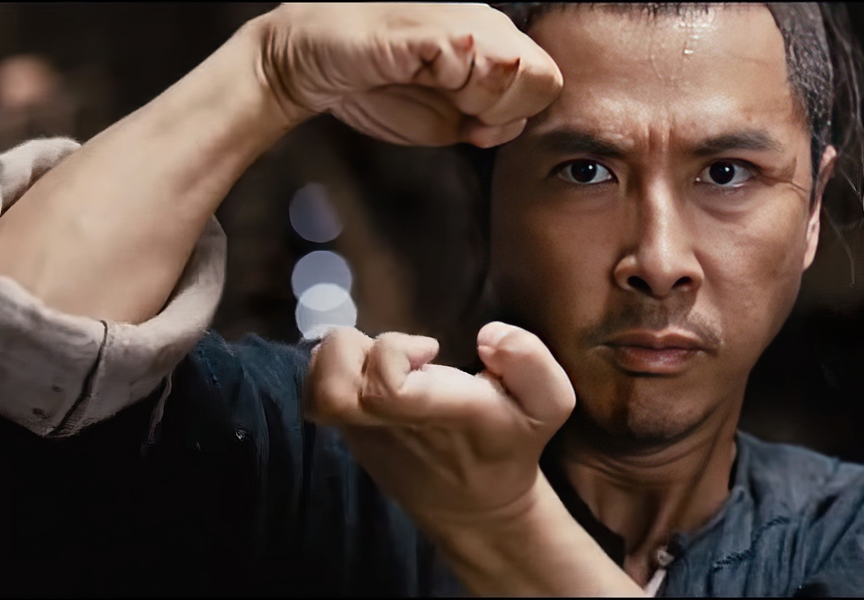
The Ginger Fist derives its name from the peculiar shape it takes on when executed. In this technique, the phalanges of the hand are closed together, with both the intermediate and distal phalanx forming a compact unit. This configuration serves to harden the fist, enhancing the impact force while simultaneously narrowing the striking surface. The result is a sharper, more penetrating strike that can target various areas of the opponent's body with precision.

What sets the Ginger Fist apart is its ability to strike effectively across different body structures, be it bones, muscles, tendons, or specific pressure points. This versatility makes it a valuable asset in combat situations, allowing practitioners to adapt their attacks according to the circumstances they face. Whether delivering a devastating blow to a vital area or subtly disabling an opponent with pinpoint accuracy, the Ginger Fist offers a strategic advantage to those who wield it skillfully.

However, mastering the Ginger Fist is no simple feat. It requires extensive training and conditioning to develop the necessary strength, dexterity, and control. According to practitioners, a minimum of two years of dedicated daily conditioning is often considered essential to harness the full potential of this technique. Through rigorous exercises targeting the hands, wrists, and forearms, martial artists gradually build the resilience and toughness required to execute the Ginger Fist effectively.

In Chinese martial arts, the Ginger Fist holds a prominent place. Each tradition may impart its unique variations and insights into the application of this technique, but the underlying principles remain consistent. Whether employed as a primary striking method or integrated into a broader repertoire of techniques, the Ginger Fist exemplifies the ingenuity and sophistication of Chinese martial arts.

Beyond its practical utility in combat, the Ginger Fist embodies deeper philosophical principles inherent in martial arts practice. It emphasizes the importance of discipline, perseverance, and attention to detail—qualities that extend far beyond the confines of the training hall. Through the pursuit of mastery in techniques like the Ginger Fist, practitioners not only enhance their physical capabilities but also cultivate a mindset of resilience and self-improvement that transcends martial arts and permeates every aspect of their lives.

In conclusion, the Ginger Fist stands as a testament to the richness and diversity of Chinese martial arts. Its unique hand shape, precise execution, and versatile applications make it a formidable weapon in the arsenal of skilled practitioners. Yet, its mastery demands unwavering dedication and commitment, underscoring the profound journey of self-discovery and personal growth that lies at the heart of martial arts practice. As martial artists continue to explore and refine the nuances of the Ginger Fist, its legacy endures as a symbol of strength, resilience, and timeless wisdom.


A Friendly Reminder: All content included on this site, such as text, graphics, logos, button icons, images, audio clips, and software, is the property of Hellenic Shaolin Cultural Center or its content suppliers and protected by US and International Copyright Laws. The compilation (meaning the collection, arrangement, and assembly) of all content on this site is the exclusive property of Hellenic Shaolin Cultural Center and protected by US and International Copyright Laws. Any use of the content on this site, including the reproduction, modification, distribution, transmission, reindex_usation, display, or performance, is strictly prohibited.


Random Free Articles

  • Ηeart to Ηeart Τransmission

    Μετάδοση Από Καρδιά σε Καρδιά

    What the Heart Feels, the Mind Transmits Education is a multifaceted process that goes beyond the mere exchange of instructions. In the realm of learning and teaching, there exists a profound and often overlooked dimension known as "heart to heart transmission" [Chin.: FóXīn 佛心 | Jap.: Ishin-denshin]. This form of communication transcends the physical and intellectual, delving into a realm where profound understanding and…

  • Progress Rooted in Tradition

    Πρόοδος με ρίζες την παράδοση

    In an era characterized by rapid technological advancements and a relentless pursuit of the new, it is crucial to recognize the enduring value of tradition and primordial knowledge in shaping the path of human progress. While modernity often encourages us to look forward, we must also look backward to the wisdom embedded in our cultural heritage, ancient practices, and timeless traditions. This article delves into the symbiotic relationship…

  • The Dual Streams of Wushu

    Διπλές Ρίζες Των Κινέζικων Πολεμικών Τεχνών

    The rich tapestry of Chinese martial arts is woven with threads of tradition, discipline, and a profound understanding of combat. Within this intricate web, two distinct streams have emerged, shaped by the divergent contexts in which they were honed: military martial arts [Chin.: Jūnlǚ wǔshù 軍旅武術] and civilian martial arts [Chin.: Mínjiān wǔshù 民間武術]. Understanding the origins, evolution, and purposes of these two…

  • The Meaning of the Term Kung Fu

    Η έννοια του όρου Κουνγκ Φου

    Gong Fu or Kung Fu, a term that conjures images of martial arts prowess, discipline, and ancient wisdom, has permeated popular culture as a symbol of physical and mental excellence. Originating from China, the term Gong Fu is widely used, often misunderstood, and frequently associated with cinematic displays of acrobatic combat. However, beyond the flashy kicks and punches lies a deeper meaning that encompasses a rich tapestry of history,…

  • Dedication to Learning a Martial Art

    Αφοσίωση στην εκμάθηση μιας πολεμικής τέχνης

    Martial arts are not just a form of physical exercise or self-defense; they are a way of life. To truly master a martial art, one must embrace a journey that demands unwavering dedication, discipline, and a deep respect for tradition. Learning a martial art is not a casual pursuit; it requires a commitment that goes far beyond the confines of a dojo or training hall. In this article, we explore the importance of dedication to learning a…