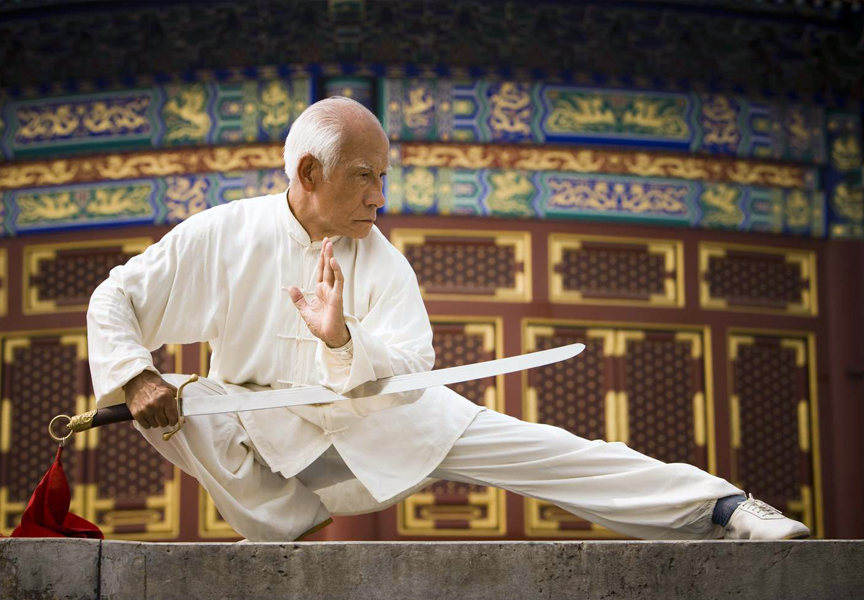
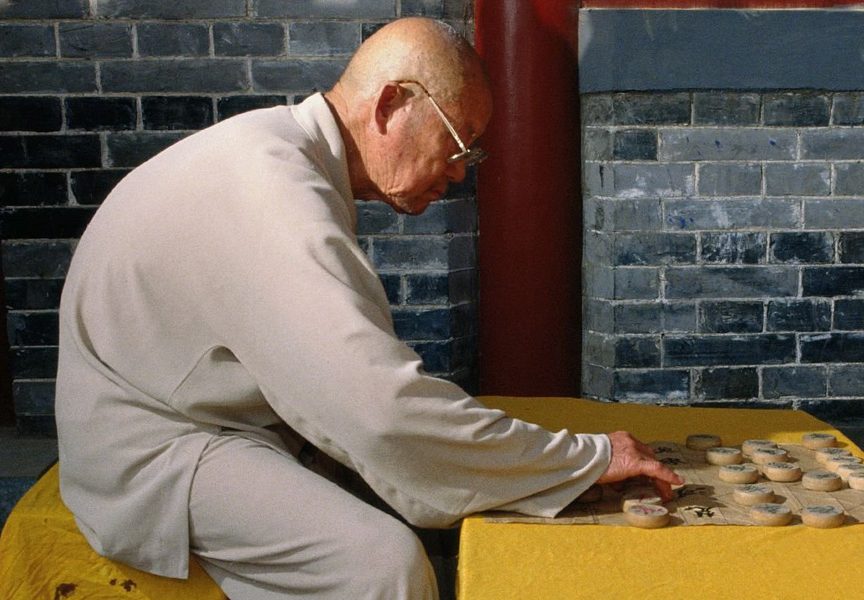
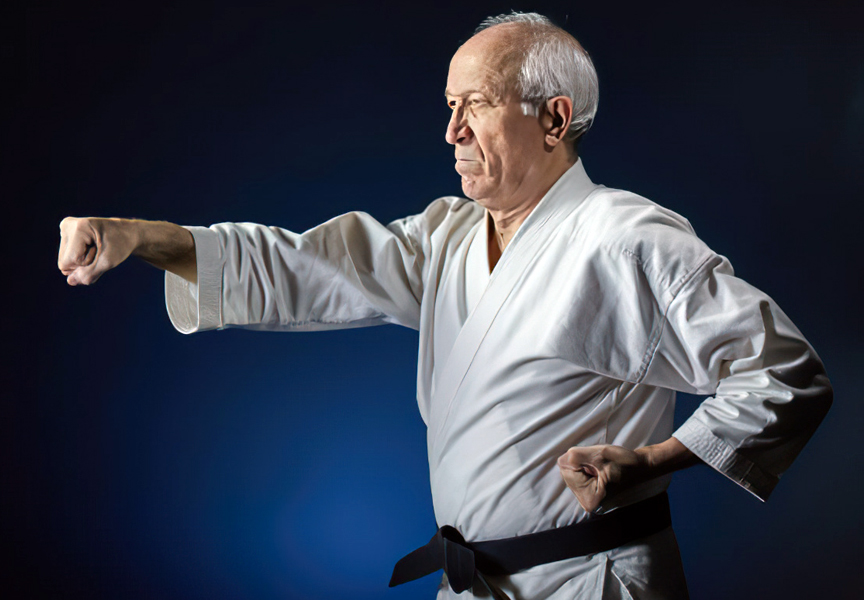
Martial arts, often perceived as a collection of physical techniques and combat skills, holds a deeper significance that transcends the realm of physical prowess. Beyond the kicks, punches, and intricate forms lies the true essence of martial arts—a profound journey of self-mastery, self-discovery, and personal growth. In the heart of this ancient practice, individuals embark on a transformative path where the ultimate goal is not just to defeat opponents but to conquer one's own weaknesses and limitations, striving to become the best versions of themselves.
The Pursuit of Self-Mastery
At its core, martial arts is a pursuit of self-mastery—an ongoing process that extends beyond the training mat and into the very fabric of daily life. The physical techniques and combat skills serve as tools, means to an end rather than the end itself. The true martial artist understands that the journey involves continuous self-improvement, honing both the body and the mind to achieve a harmonious balance.
In the quest for self-mastery, practitioners delve into the intricacies of their own character, confronting fears, doubts, and personal limitations. By challenging themselves physically and mentally, they learn to overcome obstacles that extend far beyond the boundaries of the training space. This process cultivates resilience, determination, and a profound sense of self-awareness.
Discipline as the Bridge to Excellence
Discipline is the backbone of martial arts, connecting the physical and mental aspects of the journey toward self-mastery. The structured routines, rigorous training regimens, and adherence to codes of conduct instill discipline in every practitioner. Through the repetition of movements and the development of mental focus, martial artists cultivate a strong sense of self-discipline that extends beyond the martial arts studio.
Discipline becomes the bridge to excellence, allowing individuals to transform their aspirations into tangible achievements. This quality not only refines physical techniques but also shapes the practitioner's character, fostering a mindset that embraces challenges as opportunities for growth. The disciplined martial artist learns to navigate life with purpose and determination, translating the principles of martial arts into everyday actions.
Personal Growth and the Conquest of Limitations
The martial artist's journey is marked by the conquest of personal limitations. Whether physical, mental, or emotional, these limitations are seen not as insurmountable barriers but as opportunities for growth. Through dedicated practice and a commitment to self-improvement, individuals gradually expand their boundaries, unlocking hidden potential and realizing capabilities they might have thought were beyond reach.
As martial artists overcome challenges on the mat, they develop resilience and mental fortitude that extend far beyond the training ground. The lessons learned through overcoming physical obstacles become metaphors for addressing life's challenges, empowering individuals to approach adversity with courage and resilience.
Embodying Principles: Respect, Humility, and Compassion
Beyond the physical and mental aspects, the true essence of martial arts is found in the embodiment of principles such as respect, humility, and compassion. Martial artists are not only trained in combat skills but are also guided by a code of ethics that emphasizes the importance of treating others with dignity and kindness.
Respect is fundamental in martial arts, extending not only to opponents but also to instructors, fellow practitioners, and oneself. Humility is cultivated through the recognition that there is always more to learn and room for improvement. Compassion, too, plays a crucial role as martial artists develop an understanding of others' journeys and extend a helping hand to those who seek guidance.
Inspiring Others and Fostering Harmony
As martial artists progress on their journey of self-mastery, they naturally become sources of inspiration for others. Through their actions, both inside and outside the training studio, they demonstrate the transformative power of martial arts in fostering personal growth and positive change. By embodying principles of respect, humility, and compassion, they inspire those around them to follow the path of self-mastery.
In a world often marked by conflict and discord, the martial artist becomes an agent of positive change. The principles learned on the training mat extend into everyday interactions, fostering harmony and unity both within the individual and in the broader community. The true essence of martial arts lies not just in individual achievement but in the collective elevation of humanity toward a more compassionate and harmonious existence.
Conclusion
While the physical techniques of martial arts may captivate the observer, it is the journey of self-mastery, personal growth, and the embodiment of principles that define its true essence. Beyond the kicks and punches, martial artists engage in a profound exploration of the self, confronting and conquering their limitations. Through the disciplined pursuit of excellence and the embodiment of principles such as respect, humility, and compassion, they inspire others to join them on the transformative path of self-discovery. In the true essence of martial arts, the pursuit of self-mastery becomes a catalyst for positive change, fostering harmony and unity within individuals and the world they inhabit.
A Friendly Reminder: All content included on this site, such as text, graphics, logos, button icons, images, audio clips, and software, is the property of Hellenic Shaolin Cultural Center or its content suppliers and protected by US and International Copyright Laws. The compilation (meaning the collection, arrangement, and assembly) of all content on this site is the exclusive property of Hellenic Shaolin Cultural Center and protected by US and International Copyright Laws. Any use of the content on this site, including the reproduction, modification, distribution, transmission, reindex_usation, display, or performance, is strictly prohibited.
A Systematic Approach to Mastery Martial arts, with their rich history and deep philosophical underpinnings, offer a path to self-discovery, physical mastery, and spiritual growth. Among the myriad martial arts disciplines, Shaolin Rouquan [Chin.: Shàolín róu quán 少林柔拳] stands out as an ancient and revered tradition that blends physical prowess with profound philosophical insights. However, achieving mastery in Shaolin Rouquan is…
Beyond Championships to Internal Improvement In a world driven by competition and the pursuit of championships, it is imperative to revisit the essence of martial arts. This manifesto seeks to redefine the perception of martial arts, emphasizing that they should not be considered merely as a sport. Instead, martial arts are profound disciplines that transcend the quest for championships, focusing on internal improvement and personal growth. I.…
Martial arts are not just a form of physical exercise or self-defense; they are a way of life. To truly master a martial art, one must embrace a journey that demands unwavering dedication, discipline, and a deep respect for tradition. Learning a martial art is not a casual pursuit; it requires a commitment that goes far beyond the confines of a dojo or training hall. In this article, we explore the importance of dedication to learning a…
In the realm of Chinese martial arts, the title Shifu [Κιν.: Shīfu 师父] holds a special place of honor and respect. This term, deeply rooted in Chinese culture, transcends its simple translation of Master and carries a profound significance that extends beyond the martial arts school. To truly understand the meaning of Shifu in Chinese martial arts, one must delve into its historical and cultural context. Historical Significance The…
It's Never Too Late to Start a Martial Art Life is a journey filled with twists, turns, and missed opportunities. Many of us carry a list of things we always wanted to do when we were young but never quite got around to. Among these unfulfilled dreams, a common confession echoes: the desire to engage in the disciplined and empowering world of martial arts. The good news is, it's never too late to embark on this transformative…