武术宣言
The Manifesto of Martial Arts

FREE ARTICLE. ONLY FOR READING PURPOSES
Copyediting: Information and Relations Office "EPOS"

Το Μανιφέστο των Πολεμικών Τεχνών


Beyond Championships to Internal Improvement

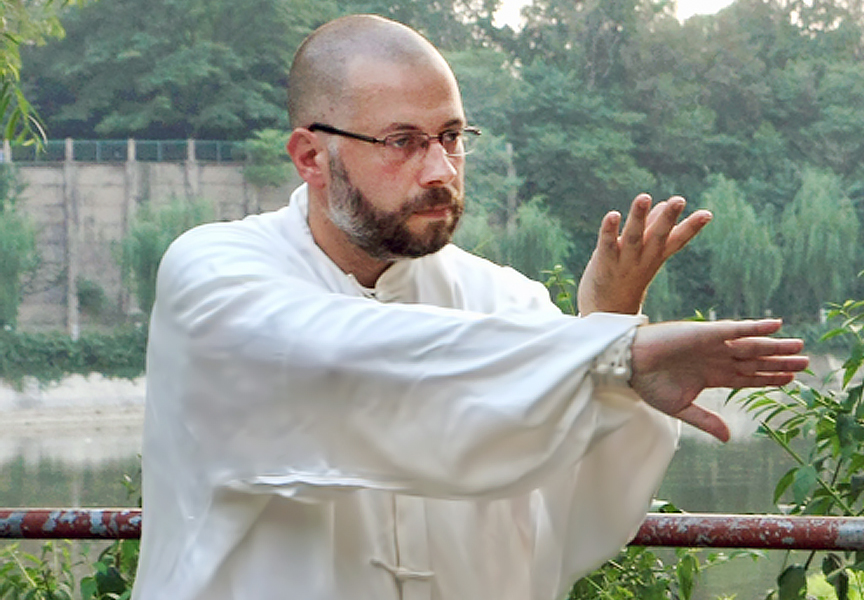
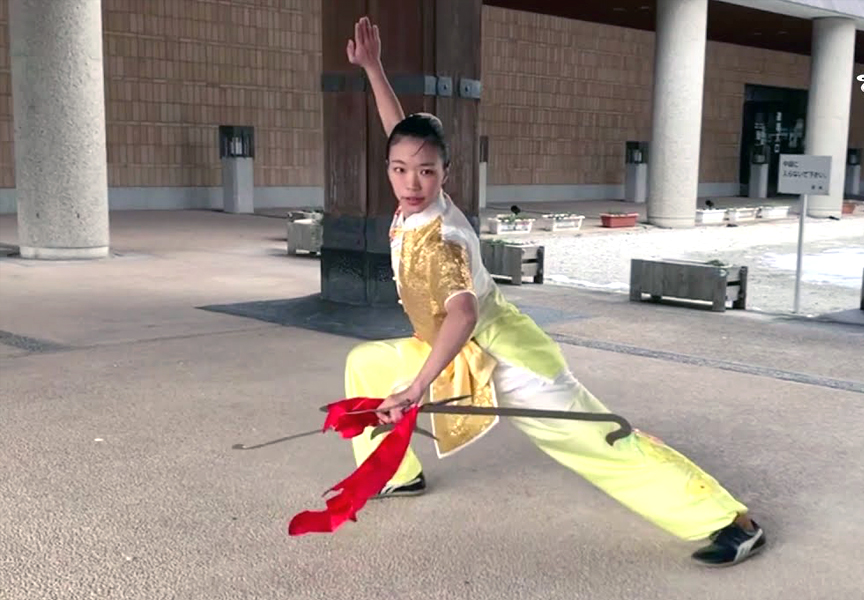
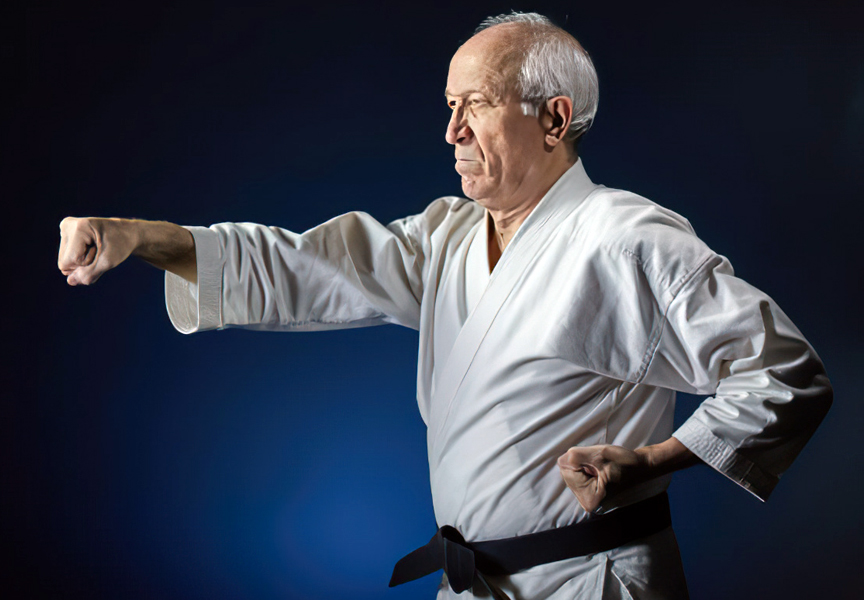
In a world driven by competition and the pursuit of championships, it is imperative to revisit the essence of martial arts. This manifesto seeks to redefine the perception of martial arts, emphasizing that they should not be considered merely as a sport. Instead, martial arts are profound disciplines that transcend the quest for championships, focusing on internal improvement and personal growth.

I. Martial Arts as a Path to Self-Discovery:

Martial arts are not merely about defeating opponents or securing championships. They serve as a path to self-discovery, allowing practitioners to explore the depths of their own abilities, character, and resilience. Through disciplined training, individuals cultivate qualities such as patience, humility, and self-awareness, fostering a journey of personal growth.

II. The Inner Harmony of Body and Mind:

Unlike conventional sports that predominantly emphasize physical prowess, martial arts are unique in their emphasis on the harmonious development of both body and mind. Techniques and movements are not merely physical; they are extensions of mental discipline, requiring practitioners to master their thoughts, emotions, and reactions. The unity of body and mind is the true victory in martial arts.

III. Beyond Championships: A Quest for Mastery:

While championships may be a tangible measure of success in sports, martial arts advocate a different standard—the pursuit of mastery. The ultimate goal is not to defeat opponents on the mat but to continually improve oneself. The martial artist's journey is an unending quest for refinement, aiming to reach the highest level of skill and understanding, both internally and externally.

IV. Respect and Compassion:

In the arena of martial arts, respect is not reserved solely for the victor. It extends to every practitioner, regardless of their skill level or experience. Compassion and humility are integral aspects of martial arts philosophy, fostering an environment where everyone, regardless of their background, can learn and grow together.

V. The Community of Martial Artists:

Martial arts are not solitary pursuits; they thrive within a community of like-minded individuals dedicated to personal development. The sharing of knowledge, encouragement, and camaraderie creates a supportive environment that transcends competition. The true value lies in the relationships forged, with each practitioner contributing to the collective growth of the martial arts community.

Conclusion:

This manifesto serves as a call to reevaluate our understanding of martial arts, emphasizing their intrinsic value beyond championships and competitive achievements. Let us embrace the philosophy that martial arts are a journey of internal improvement, self-discovery, and the pursuit of mastery—a path that transcends the limitations of traditional sports and enriches the lives of those who embark upon it.


A Friendly Reminder: All content included on this site, such as text, graphics, logos, button icons, images, audio clips, and software, is the property of Hellenic Shaolin Cultural Center or its content suppliers and protected by US and International Copyright Laws. The compilation (meaning the collection, arrangement, and assembly) of all content on this site is the exclusive property of Hellenic Shaolin Cultural Center and protected by US and International Copyright Laws. Any use of the content on this site, including the reproduction, modification, distribution, transmission, reindex_usation, display, or performance, is strictly prohibited.


Random Free Articles

  • Essence of Wude in Shaolin Martial Arts

    Ουσία Της Πολεμικής Ηθικής στο Σαολίν

    The Pillars of Martial Morality In the intricate world of Shaolin martial arts, where discipline and tradition interlace seamlessly, a profound concept known as Wude [Chin.: Wǔ dé 武德] stands as a guiding light. Wude, translating to martial morality, goes beyond the physical prowess of combat techniques, delving into the realms of character, virtue, and ethical conduct. This ancient philosophy is the heartbeat of Shaolin practitioners,…

  • The Changing Landscape of Kung Fu in Modern China

    Το μεταβαλλόμενο τοπίο του Κουνγκ Φου στη σύγχρονη Κίνα

    Exploring Cultural Evolution and Diversification In the realm of Chinese culture, few symbols carry as much weight and mystique as Kung Fu. For centuries, this ancient martial art has been intertwined with the very fabric of Chinese society, embodying principles of discipline, self-improvement, and tradition. However, as China hurtles forward into the 21st century, the prominence of Kung Fu is undergoing a profound transformation, reflecting…

  • Apprenticeship Ceremony in Kung Fu

    Τελετή Μαθητείας στο Κουνγκ Φου

    The Sacred Rite of Becoming a Disciple In the rich tapestry of Kung Fu traditions, the Bai Shi ceremony [Chin.: Bàishī yíshì 拜师仪式] holds a place of profound significance. Bai Shi, translated as paying respects to the master, is a sacred ritual that marks the formal initiation of a student into the family or tradition of a Kung Fu master. For martial artists, this ceremony is more than just a symbolic act—it is a pivotal moment in…

  • Dedication to Learning a Martial Art

    Αφοσίωση στην εκμάθηση μιας πολεμικής τέχνης

    Martial arts are not just a form of physical exercise or self-defense; they are a way of life. To truly master a martial art, one must embrace a journey that demands unwavering dedication, discipline, and a deep respect for tradition. Learning a martial art is not a casual pursuit; it requires a commitment that goes far beyond the confines of a dojo or training hall. In this article, we explore the importance of dedication to learning a…

  • The Role of Belts in Kung Fu

    Ο ρόλος των ζωνών στο Κουνγκ Φου

    Kung Fu, a traditional Chinese martial art, is not only a physical discipline but also a way of life that encompasses philosophy, self-discipline, and spiritual development. Within the realm of Kung Fu, belts play a significant role in symbolizing a practitioner's level of skill, dedication, and understanding of the art. In this article, we will explore the history, meaning, and importance of belts in Kung Fu. Historical Context The…